Uncategorized

  • Frank Jones

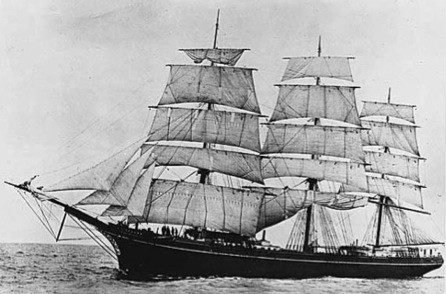
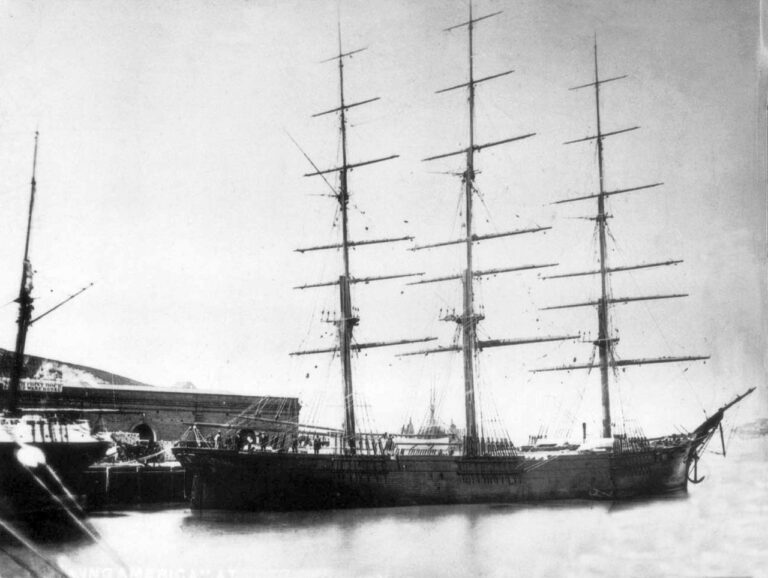
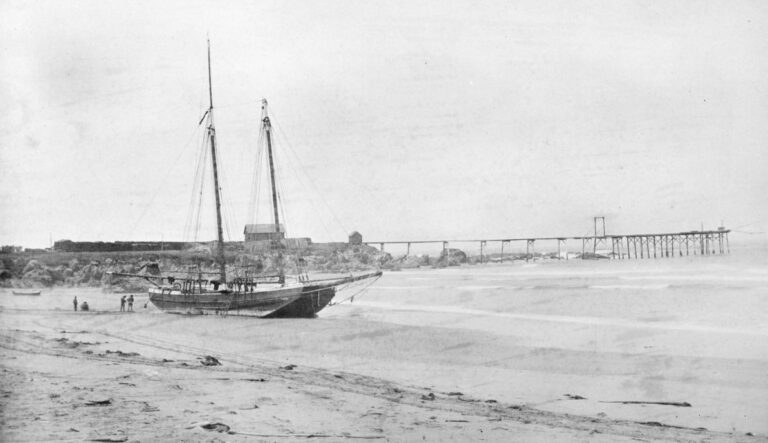
    The brief career of the full-rigged ship Frank Jones ended on March 30, 1877, when she was struck by a strong, fresh gale and driven ashore and wrecked while outbound from San Francisco for Manila. All attempts to pull her off failed and the wreck was finally sold for $700 and later dismantled with controversy swirling around exactly what caused the early demise of the ship.
  • City of Chester

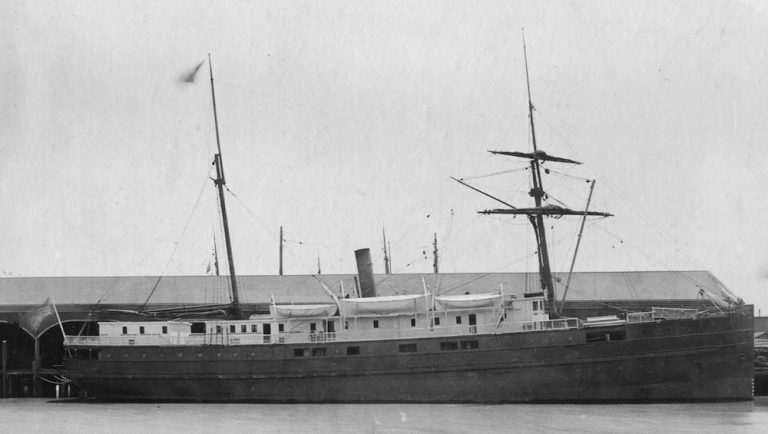
    San Francisco Bay was blanketed by an exceptionally thick fog on the morning of August 22, 1888, when the coastal passenger steamer City of Chester was rammed by the British-flagged liner Oceanic. Twenty four people died when the ship went down with unaccustomed praise grudgingly given to a crewman aboard the City of Chester who saved a little boy from drowning in the debris-filled water.

  • Hopestar

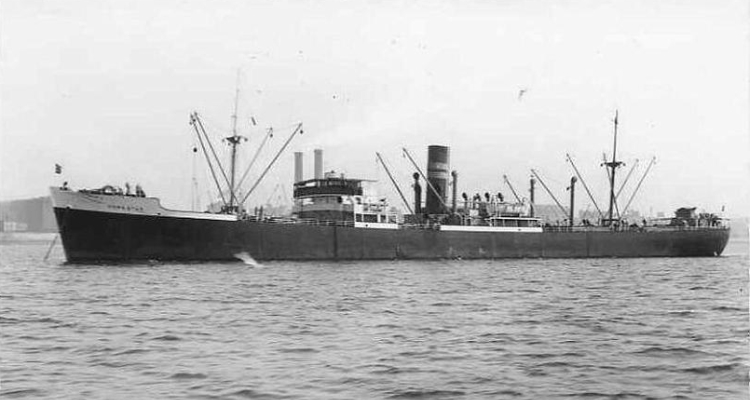
    A young captain and his 40-man crew were lost when their freighter, the 5,627-ton Hopestar, foundered in a severe storm in the Mid-Atlantic on November 14, 1948. U.S., Canadian and British aircraft and numerous ships conducted a two-week search that covered 10,000 square miles but no trace of the Hopestar or her crew was ever found.

  • Helena Modjeska

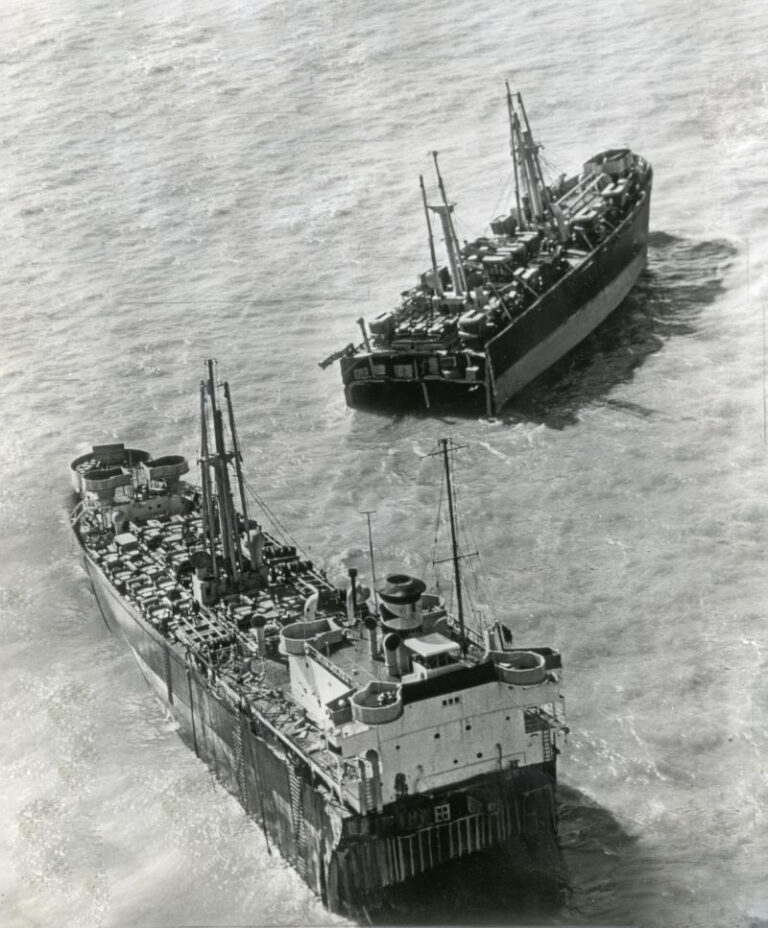
    Named for the internationally famous, 19th-Century Polish-American stage actress and philanthropist, the Liberty-type freighter Helena Modjeska was wrecked in September 1946 when a tremendous gale drove her onto the treacherous Goodwin Sands off the coast of Kent in southeast England.

  • A. J. Fuller

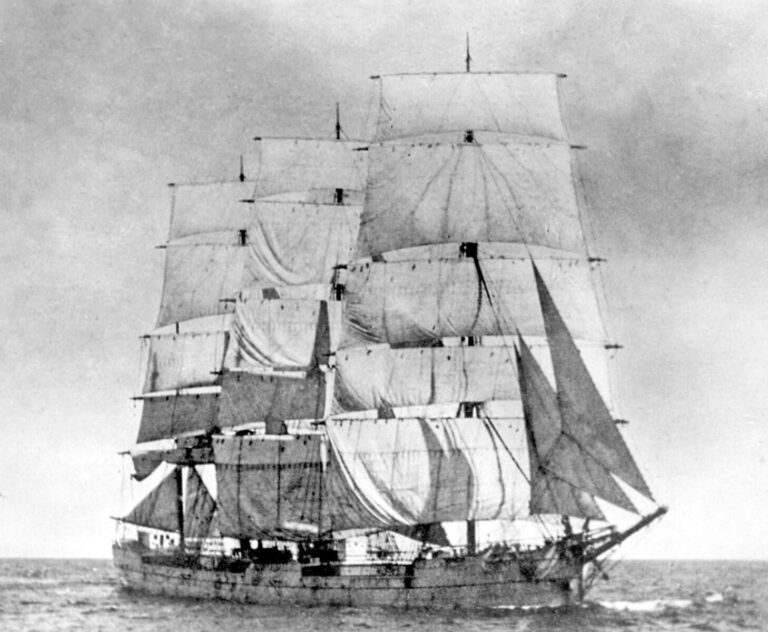
    Anchored in Seattle harbor and loaded with a $500,000 cargo of canned salmon, the three-masted, full-rigged A.J. Fuller went to the bottom on October 30, 1918, after being rammed in a dense fog by a Japanese steamship. She sank in just ten minutes with a 10-foot-wide hole punched into her bow.

  • Donbass

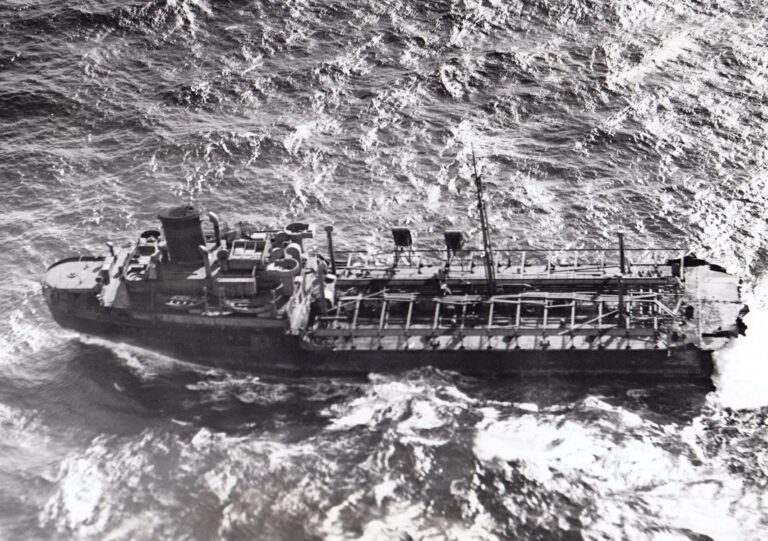
    In February 1946, the stern section of the Russian tanker Donbass was recovered after the ship split in two in a Northern Pacific storm. Towed to the U.S. West Coast, the stern was later acquired by Pacific Gas & Electric and moved to Northern California where her working power plant was used to supply electricity to the City of Eureka for more than a decade.

  • May Flint

    On the evening of September 8, 1900, the barque May Flint, called “the ugliest square rigger that ever sailed the seas,” sailed into San Francisco Bay and crashed the party being held to celebrate the 50th anniversary of California being admitted to the Union. Out of control and in front of thousands of awed witnesses, she went to the bottom in just 20 minutes after crashing into a U.S. Navy battleship and another ship anchored close-by.

  • Independence

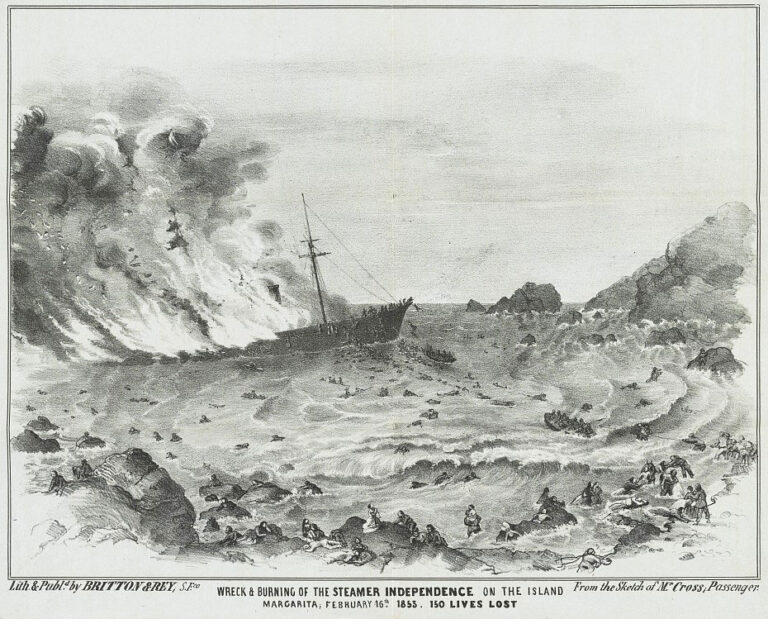
    Bound from San Juan del Sur, Nicaragua, for San Francisco, the side-wheel steamer Independence struck a reef off the southern tip of Baka California, quickly caught fire and sank about 300 yards offshore. The estimates of the number of people lost in the wreck range from 130 to 175 men, women, and children in a tragic shipwreck that made headlines in both Europe and the U.S.

  • Miroslav

    Launched as the Young America in 1853, the medium clipper was noted for “her beautiful lines and general handsome appearance……not exceeded by anything afloat.” She proved to be very popular with shippers, but, after three decades at sea, she was sold to Austrian interests and renamed Miroslav. In 1886, she sailed from Philadelphia, bound for the Adriatic port of Fiume, and vanished.

  • Mystery

    One of the hundreds of blunt-nosed, cargo-hauling scow schooners that plied San Francisco Bay and its smaller, attached bays in the late 19th and early 20th centuries, the scow schooner Mystery was caught in a terrific storm that struck San Pablo Bay in March 1907. Tragically, the small two-master was lost along with her captain, Damien Espinosa, and crew, his three daughters, Isabel, Jesucita, and Grace.